


Can you give me a study plan for IELTS?
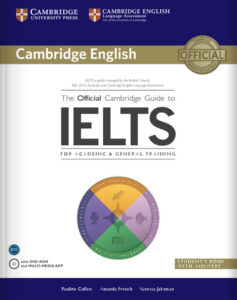
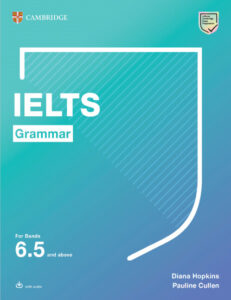
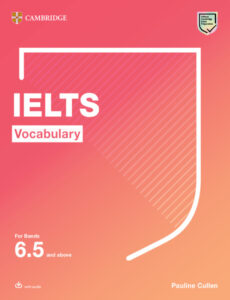
I’ve been asked several times for a study plan for IELTS. One person had bought the following books but did not know where to start:
Getting started
An IELTS study plan will be different for everyone and will vary depending on:
- your weak and strong points
- how big a gap there is between your current level and the score you need or want to achieve
How quickly you improve will depend on many factors, including:
- how much time you can devote to study
- the practice materials you use
- whether you follow good advice or bad advice
- how easy you find it to learn language
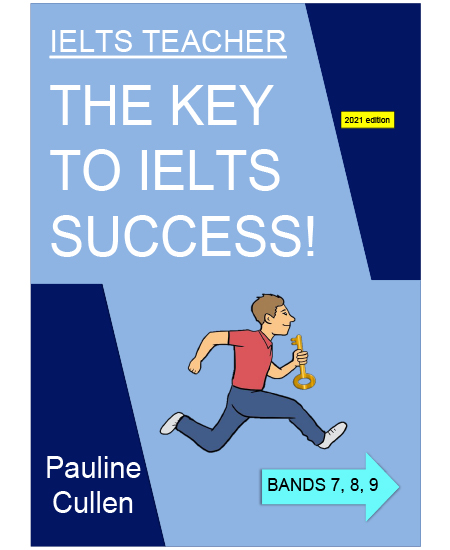
I wrote my free book, The Key to IELTS Success, because I realised people can buy the best IELTS preparation books but still not know how to use them to make genuine progress. The study plan below will also help. You can download a copy of my free book here:
Study plan for IELTS Band 7
Step 1 – Learn about how reading and listening are assessed in IELTS
We can master reading and listening earlier than speaking and writing. So, it is best to begin with a good idea of how much you already understand when listening and reading, before moving on to what you can produce when writing and speaking. If you have The Official Cambridge Guide to IELTS, I recommend you start by completing the listening and reading skills sections of book. If not, read chapters 1 to 5 of my free book.
Step 2 – Find out your current level in reading and listening
You can then find out your current level by taking one of the tests in the Cambridge IELTS practice test books (Books 9 onwards).
Step 3 – Use the practice tests to identify your weak areas
Once you know your current listening and reading score, my free book shows you how to use the tests to identify your main problems in vocabulary, grammar, reading and listening and how to improve on these.
Step 4 – Work on improving your weak areas
You can use my Vocabulary and Grammar books to do this. These videos will also help:
Video 1: Understanding the main problems

Video 2: The Solutions

Video 3: The main problems in IELTS Reading

Video 4: IELTS Reading True False Not given:

Video 5:Understanding IELTS Vocabulary

Step 5 – Test yourself again to check you are making progress
After working on building language and skills for listening and reading, test yourself again to check you are making progress.
Step 6 – Move on to speaking and writing
Once you have begun to improve your reading and listening scores, I would work on speaking and writing. Again, start with the writing and speaking sections of the Official Guide to IELTS if you have a copy, then use these chapters of the free book to work on these skills. You can also use my YouTube videos to help:
Writing Task 2 Video Playlist:

Academic Writing Task 1 Video playlist:

Aiming for Bands 7 to 9 in Writing and Speaking
If you are aiming for a higher score in writing and speaking (e.g. Bands 7 to 9), my eBooks can help you achieve this. The writing books show you step by step how to think, plan, write, and check your own writing. I also show you how to change Band 6.5 answers into Band 8-9 answers and there are lots of models to follow as well as interactive exercises.
This video explains how the Task 2 book works (all of the eBooks work the same way)
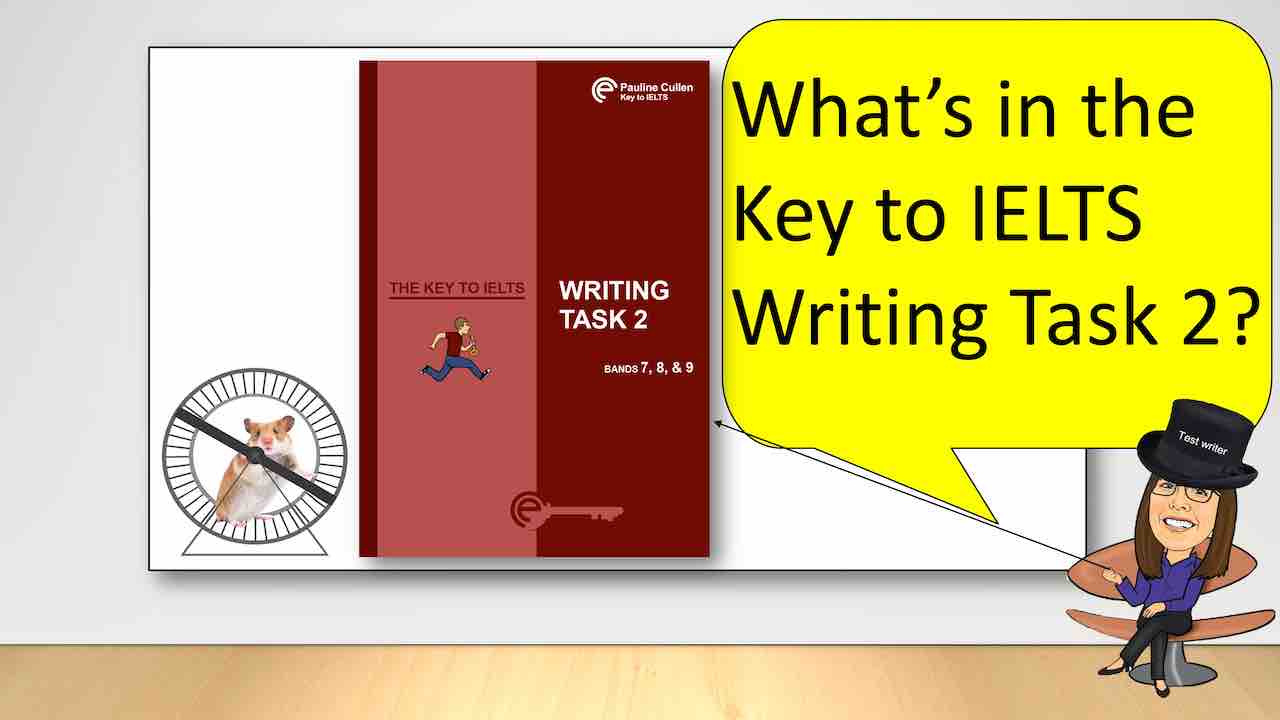
You can find the writing books here:
Reaching Bands 8-9 in IELTS Speaking
There is also a speaking book in the series. It shows you how to develop Band 8-9 speaking skills, with a special focus on improving fluency and coherence, thinking of ideas, and developing advanced pronunciation skills. Here are some videos about it and a link to the eBook:
About The Key to IELTS Speaking
Get the Key to IELTS Speaking here:
All of the Key to IELTS eBooks emphasise performing in test conditions, in particular, quickly thinking of ideas to write and speak about in your test.
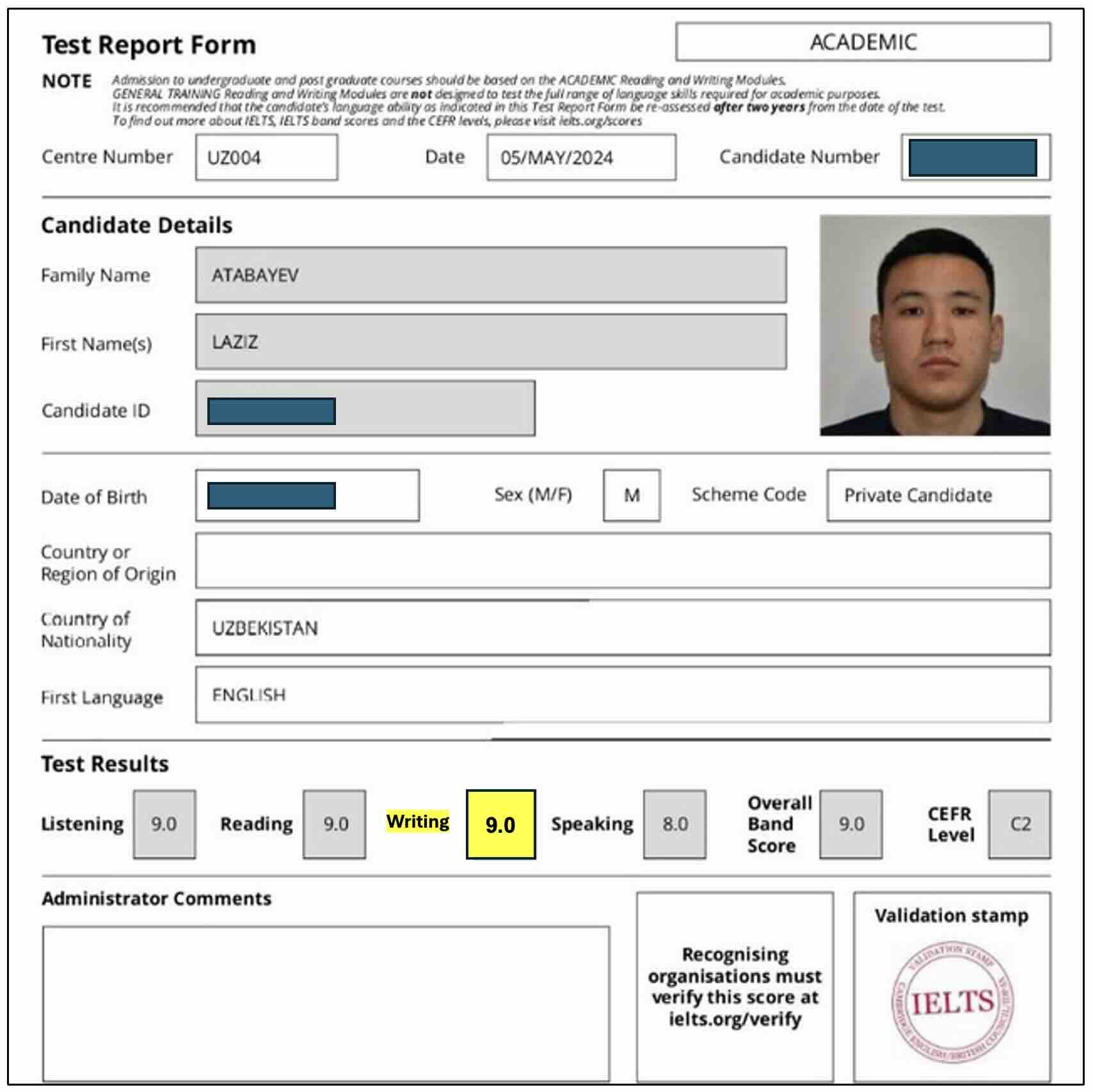
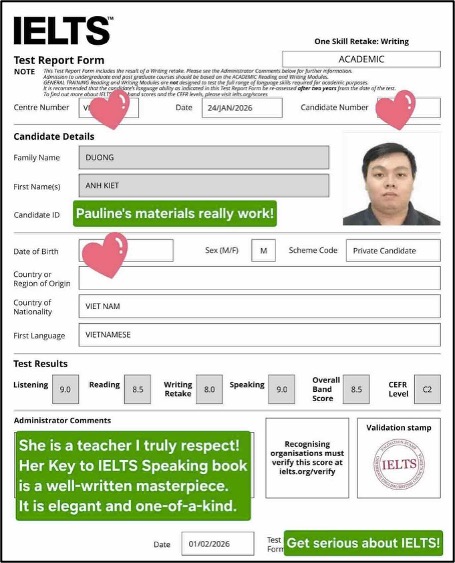
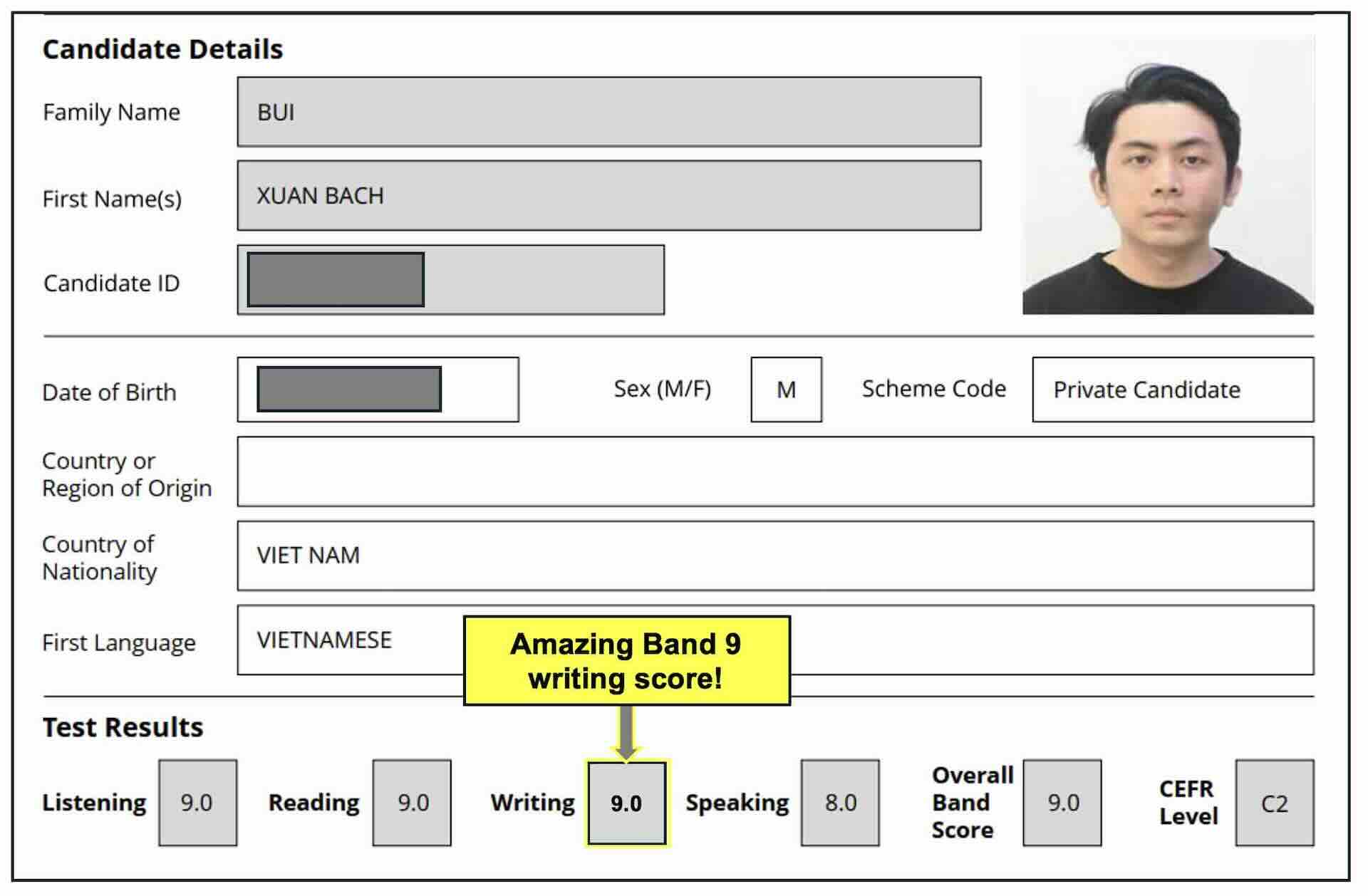
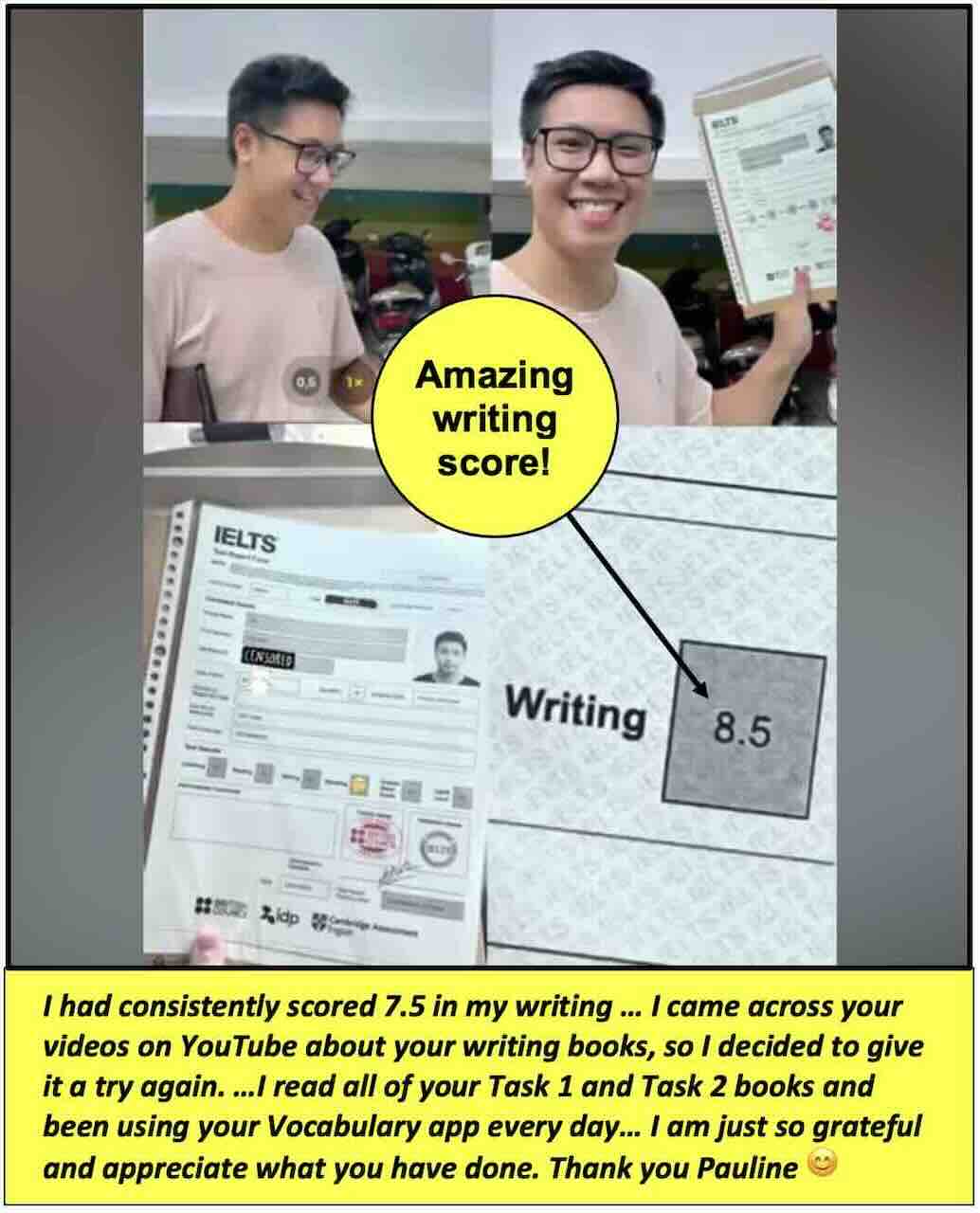
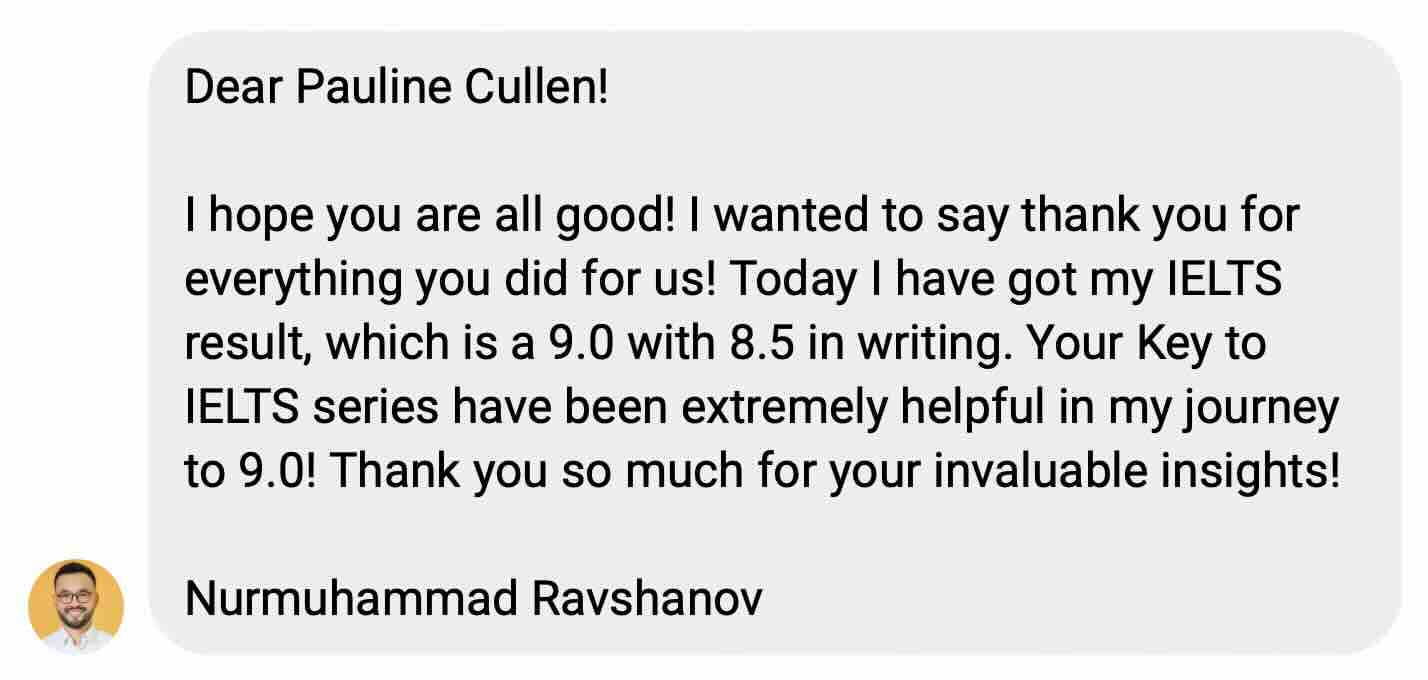
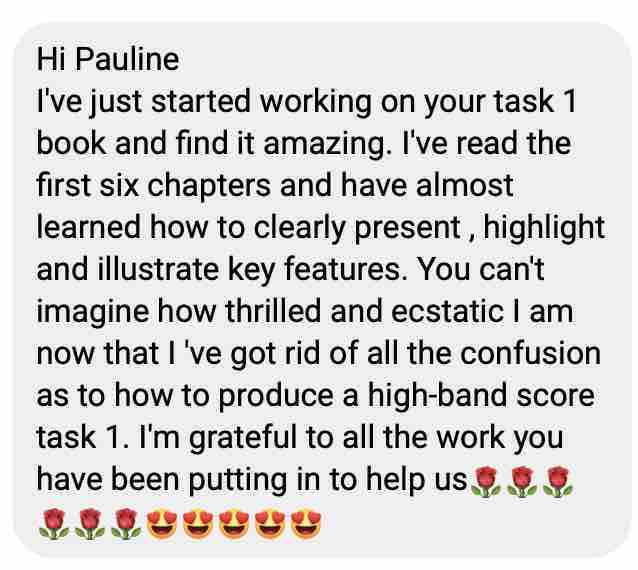
Feedback from users:
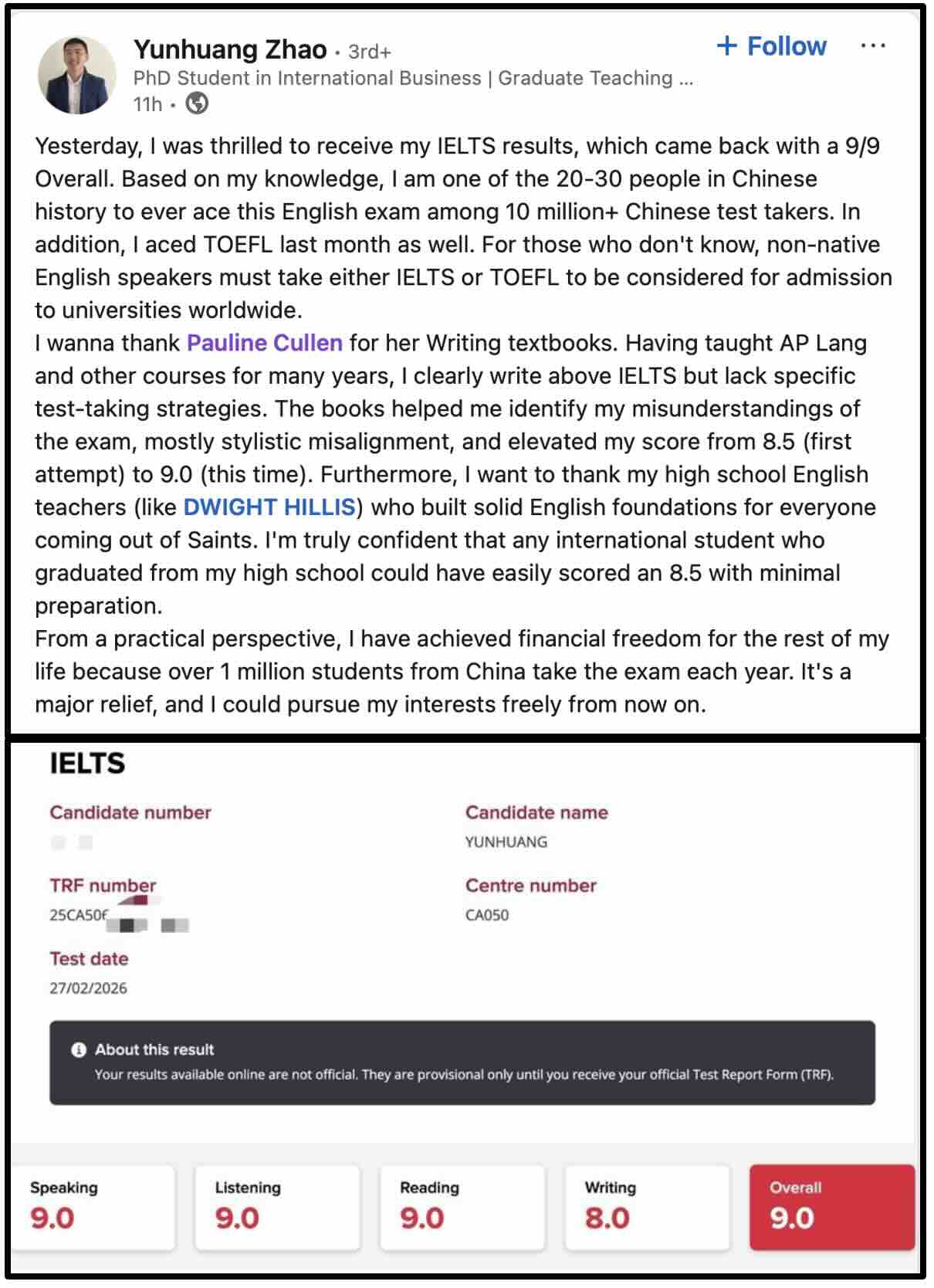
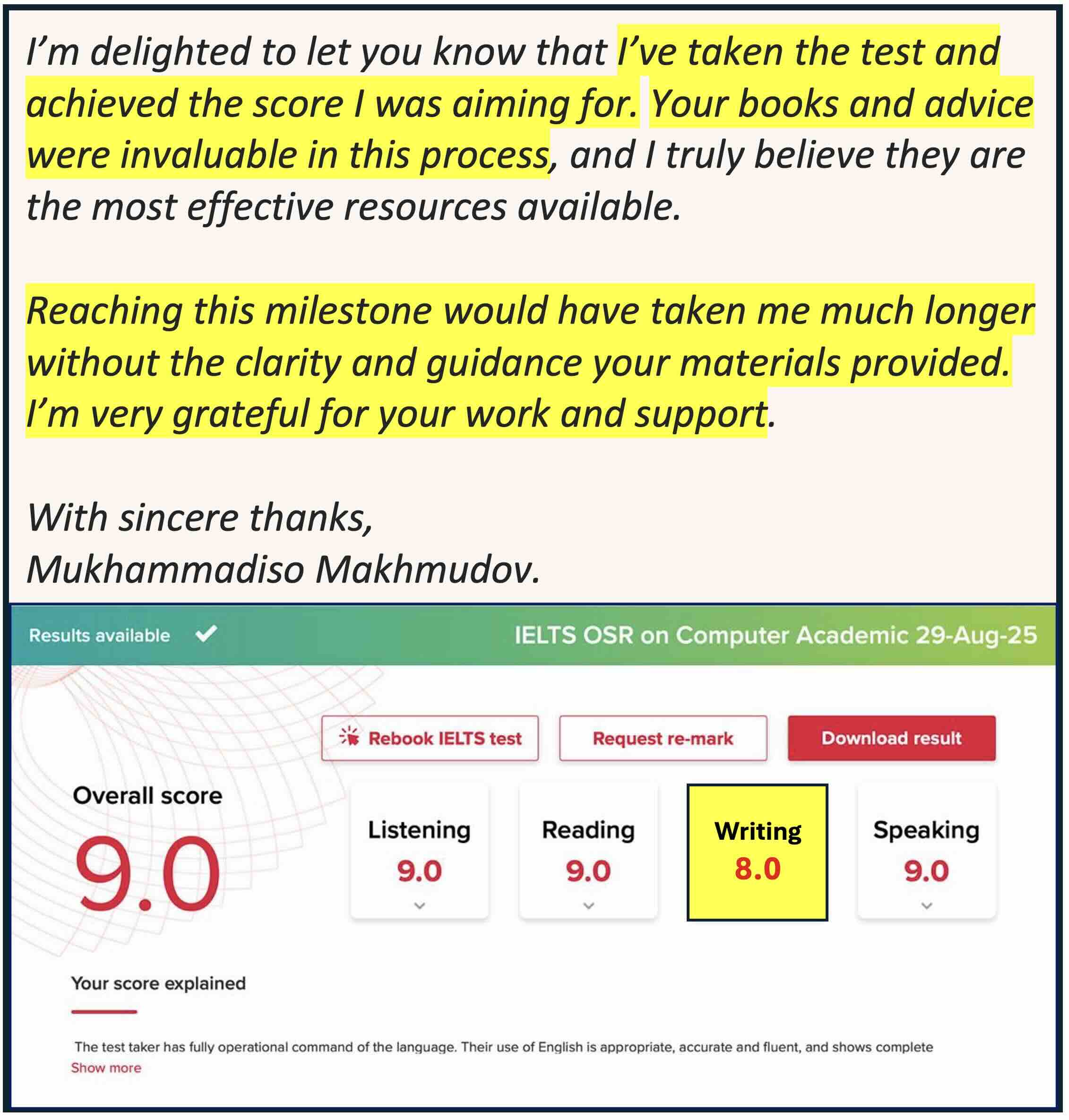
hey Cullen, I want to buy your writing course books. Besides the payment methods provided, is there any way for me to pay for this book.
Hi Xuan Tu, you can pay by Google Pay, Apple Pay, and most bank cards (you can select pay by card or you use a credit card even when choosing the Paypal option). I hope this helps.
Hello. I bought the book the Official Cambridge Guide to IELTS a few years ago. You know, it’s got a DVD attached to itself. But I don’t have a computer. I couldn’t find the accompanying app from Play Store. It used to be there but now it’s not available. What can I do in this case? May I transfer what is inside the DVD into my phone?
Hi, you’ll need to contact Cambridge University Press about this, they will be able to help you. You should be able to contact them at theyr Cambridge Digital email address: cgo@cambridge.org